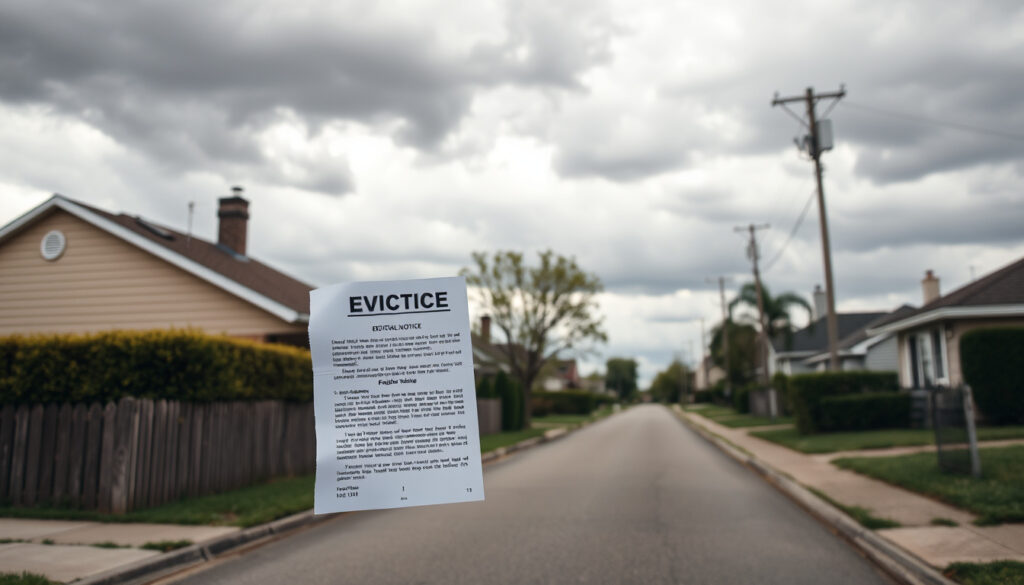
Kāinga Ora Cambridge Tenant Eviction: Rights & Case Study
Sixty-eight complaints about a single tenant might seem like an open-and-shut case for eviction, but the reality proved far more complicated. When Kāinga Ora tried to end the tenancy of a Cambridge tenant facing dozens of neighbour complaints, the Tenancy Tribunal said no, offering a clear window into how New Zealand’s social housing landlord balances community noise with tenant rights under the Residential Tenancies Act.
Complaints against Cambridge tenant: 68 ·
Compensation ordered for delayed eviction: $6,000 ·
Increase in evictions for disruptive behaviour (2023-2025): from 2 to 17 per year ·
Eviction attempt result: failed
Quick snapshot
- 68 complaints were filed against the Cambridge tenant (Te Ao Māori News)
- Kāinga Ora’s eviction bid failed at the Tenancy Tribunal (Te Ao Māori News)
- $6,000 compensation was ordered against Kāinga Ora in a separate delay case (RNZ transcript)
- Evictions for disruptive behaviour rose sharply in 2023-2025 (Te Ao Māori News)
- Whether the Cambridge tenant will still be evicted in future
- Specific details of the tenant’s alleged behaviour
- Outcome of ongoing complaints or relocation attempts by Kāinga Ora
- Whether Kāinga Ora will appeal the tribunal’s decision
- 2022-2023: 2 evictions for disruptive behaviour (Te Ao Māori News)
- 2023-2024: 17 disruptive-behaviour terminations (Te Ao Māori News)
- May 2024: $6,000 compensation ordered for eviction delay (RNZ transcript)
- Sep 2025: Tenancy Tribunal rules against eviction of Cambridge tenant (Te Ao Māori News)
- Kāinga Ora may appeal or pursue relocation under section 53B (RNZ transcript)
- Stricter rent enforcement policy affects 2,000 tenants who owe over 12 weeks’ rent (RNZ transcript)
- Up to $8.3 million in rent debt could be written off (RNZ transcript)
Six key facts, one pattern: the Cambridge case sits at the intersection of rising enforcement and procedural hurdles that define Kāinga Ora’s current approach.
| Fact | Detail |
|---|---|
| Location | Cambridge, New Zealand |
| Number of complaints | 68 |
| Kāinga Ora eviction action | Failed |
| Compensation awarded | $6,000 |
| Timeframe of complaint period | Unspecified, but included in news articles |
Can a tenant be evicted immediately?
What qualifies as immediate eviction grounds?
- Serious damage to the property or assault on another person can lead to urgent termination — but only through proper legal channels (Tenancy Services)
- In practice, Kāinga Ora uses a three-warning system for disruptive behaviour, not instant eviction (Te Ao Māori News)
Notice periods under the Residential Tenancies Act
Even in urgent cases, the landlord must serve a formal notice. The Residential Tenancies Act 1986 (New Zealand Legislation) sets minimum notice periods: 14 days for rent arrears, 90 days for anti-social behaviour (with warnings). Immediate physical eviction without a tribunal order is illegal.
The implication: Even with an exceptionally high volume of neighbour reports, the law prioritises due process over speed.
What is the most common reason for eviction?
Rent arrears and non-payment
Non-payment of rent is the most frequent cause of eviction nationwide. Kāinga Ora’s new policy targets tenants more than 12 weeks behind — around 2,000 tenants fall into that category (RNZ transcript). The agency has also announced a debt write-down of up to $8.3 million for tenants actively paying arrears.
Anti-social behaviour
Disruptive behaviour is a growing reason for Kāinga Ora evictions. In 2022–2023 only two tenancies ended for this reason; that jumped to seventeen in 2023–2024 (Te Ao Māori News). The Cambridge case is the most high-profile failure of that approach.
Breach of tenancy conditions
Other breaches — subletting, damage, or illegal activity — also trigger termination. Kāinga Ora publishes its enforcement data proactively through OIA releases (Kāinga Ora OIA releases).
The pattern: Rent arrears remain the dominant trigger, but anti-social behaviour is the fastest-growing category – and the hardest to prove.
How long does it take to evict a tenant for not paying rent?
Standard eviction timeline in New Zealand
- Serve 14-day notice to remedy (for rent arrears) – day 0 (Tenancy Services)
- If unpaid, apply to Tenancy Tribunal after notice expires – typically 3–4 weeks (Tenancy Tribunal)
- Hearing and order – another 2–6 weeks
- Enforcement by bailiff if tenant does not leave – added 1–2 weeks
Total: 8 to 14 weeks in a straightforward case.
Kāinga Ora internal procedures and delays
Kāinga Ora was ordered to pay $6,000 compensation for a delay in filing an eviction case against another anti-social tenant in May 2024 (RNZ transcript). The Cambridge case similarly dragged on while complaints accumulated.
What this means: A delay that seems minor to the landlord can become a costly legal mistake, as the $6,000 compensation order demonstrates.
Can I refuse to be evicted?
Tenant rights to challenge eviction
Yes, a tenant can refuse to leave until a Tenancy Tribunal order is issued. Self-help evictions (changing locks, removing belongings) are illegal in New Zealand (Tenancy Services). The tenant can attend the tribunal hearing, present evidence, and cross-examine the landlord.
Role of the Tenancy Tribunal
The Tenancy Tribunal (Tenancy Tribunal) hears both sides and can dismiss the landlord’s application if the evidence is insufficient. In the Cambridge case, the tribunal ruled against Kāinga Ora, meaning the tenant’s refusal to leave was successful — at least for now.
The catch: The tribunal’s decision is not a permanent shield; Kāinga Ora may still pursue relocation or a new eviction application with better evidence.
How does the Kāinga Ora eviction process work in Cambridge?
Notice requirements for Kāinga Ora tenancies
Kāinga Ora, as New Zealand’s state housing landlord (Kāinga Ora – Homes and Communities), follows the same Residential Tenancies Act as private landlords. For anti-social behaviour, it uses section 55A (termination after three warnings in 90 days) and section 53B (relocation to another property).
Section 53B and 55A notices
- Section 55A: applies when a tenant or their guest causes persistent disturbance. Requires three written warnings before applying to the tribunal (New Zealand Legislation).
- Section 53B: allows Kāinga Ora to relocate a tenant to another state house if the current tenancy is no longer sustainable — without terminating the tenancy altogether (New Zealand Legislation).
Case study: Cambridge tenant with 68 complaints
Despite 68 complaints from neighbours in the Waipā District (Waipā District Council), Kāinga Ora’s attempt to evict the tenant failed in September 2025. The tribunal found insufficient evidence of disruptive behaviour under section 55A. The tenant’s lawyer argued the complaints were not properly verified or did not meet the threshold of persistent disturbance. Kāinga Ora reportedly stated it would review its case-gathering procedures (Te Ao Māori News).
The implication: Kāinga Ora faces a strategic choice – invest in better evidence collection or continue losing high-profile cases.
Timeline of key events
- Ongoing prior to Sep 2025: Neighbours file 68 complaints against Cambridge tenant
- Sep 2025: Kāinga Ora seeks eviction; Tenancy Tribunal rules against eviction (Te Ao Māori News)
- May 2024: Kāinga Ora ordered to pay $6,000 for delay in evicting another anti-social tenant (RNZ transcript)
- 2023-2025: Sharp increase in Kāinga Ora evictions for disruptive behaviour (from 2 to 17 per year) (Te Ao Māori News)
The pattern: Each milestone reflects the tension between enforcement pressure and legal safeguards.
Confirmed facts vs. what remains unclear
Confirmed facts
- 68 complaints were filed against the tenant (Te Ao Māori News)
- Kāinga Ora failed to evict the Cambridge tenant through the Tenancy Tribunal (Te Ao Māori News)
- $6,000 compensation was ordered in a separate delay case (RNZ transcript)
- Evictions for disruptive behaviour rose from 2 to 17 per year (Te Ao Māori News)
What’s unclear
- Whether the Cambridge tenant will be evicted in future
- Specific details of the tenant’s behaviour (exact nature of complaints)
- Outcome of ongoing complaints or relocation attempts under section 53B
- Whether Kāinga Ora will appeal the tribunal’s decision
The balance: What is known is substantial; what remains unknown leaves the door open for future legal moves.
Quotes from sources
“Kāinga Ora had ended 17 tenancies for disruptive behaviour in the first four months of the financial year referenced in its December 2024 reporting.”
— Te Ao Māori News
“Kāinga Ora said it would forgive up to $8.3 million of debt for tenants actively paying down arrears that are considered unlikely to be recovered.”
— RNZ transcript
“The same report said that 17 disruptive-behaviour terminations had occurred in the full 2023–2024 year, compared with just two in 2022–2023.”
— Te Ao Māori News
The voices from both reporting sources underscore the scale of the enforcement shift and the financial consequences.
What this means for tenants and neighbours
For Kāinga Ora in Cambridge, the implication is clear: 68 complaints do not automatically equal a successful eviction unless each complaint is documented to the tribunal’s standard. For neighbours, the system feels slow but remains the only lawful channel. For tenants, the Cambridge case reinforces that the Residential Tenancies Act provides real protection — but only if you are prepared to use it. For Kāinga Ora, the choice between speeding up enforcement and risking more tribunal defeats is becoming urgent: refine the evidence process, or watch more high-profile cases fall apart.
What this means: The case is a turning point that may force Kāinga Ora to overhaul how it gathers and presents evidence of anti-social behaviour.
Frequently asked questions
What is Kāinga Ora?
Kāinga Ora – Homes and Communities is New Zealand’s state housing landlord, responsible for providing public housing and managing around 70,000 tenancies.
How do I report a disruptive Kāinga Ora tenant?
Complaints can be made to Kāinga Ora’s customer service line or through the local tenancy manager. It’s advisable to keep a written record of incidents with dates and details.
What are the consequences of eviction for a Kāinga Ora tenant?
Eviction can make it very difficult to secure another rental — especially in the public housing system. Tenants may be placed on a debt repayment plan and could face a period of ineligibility for state housing.
Can Kāinga Ora evict for rent arrears?
Yes. Kāinga Ora has announced a stricter policy: tenants more than 12 weeks behind in rent could face eviction. The agency is also writing off up to $8.3 million in doubtful debt.
How does the Tenancy Tribunal work?
The Tenancy Tribunal is a specialist dispute-resolution body that hears tenancy cases. Both landlord and tenant can present evidence. The tribunal can order termination, compensation, or other remedies.
What is section 53B of the Residential Tenancies Act?
Section 53B allows Kāinga Ora to relocate a tenant to another property if the current tenancy is no longer sustainable — a less severe alternative to eviction.
Can a Kāinga Ora tenant be evicted without a tribunal hearing?
No. A landlord cannot physically remove a tenant without a Tenancy Tribunal order. Self-help evictions are illegal.
What support is available for tenants facing eviction?
Tenants can contact Community Law, Tenancy Services, or seek free legal advice through their local citizens advice bureau. The Tenancy Tribunal also provides information on representation.
These answers cover the common concerns of both tenants and neighbours navigating the Kāinga Ora system.
Related reading: How Many Sick Days Per Year in NZ? · New Zealand Fraudsters List
More related posts
 Selwyn State of Emergency: Meaning, Powers, and What Happens Now
 Ford Everest for Sale NZ | Prices, Problems & Comparison to Prado
 How to Train Your Dragon Live-Action: Release Date, Cast, and Rumors Explained
 TV3 on Demand NZ: Watch ThreeNow Online Abroad (2025 Guide)
 Fish Pie Recipe NZ: Best Smoked Versions by Annabel Langbein
 The Amore Italian Restaurant Menu: Prices, Dishes & Locations
 Swap a Bottle Near Me: Prices, Locations & Refills (2025)
 Jane Wrightson KiwiSaver Proposals: Roadmap to Retirement Equity
