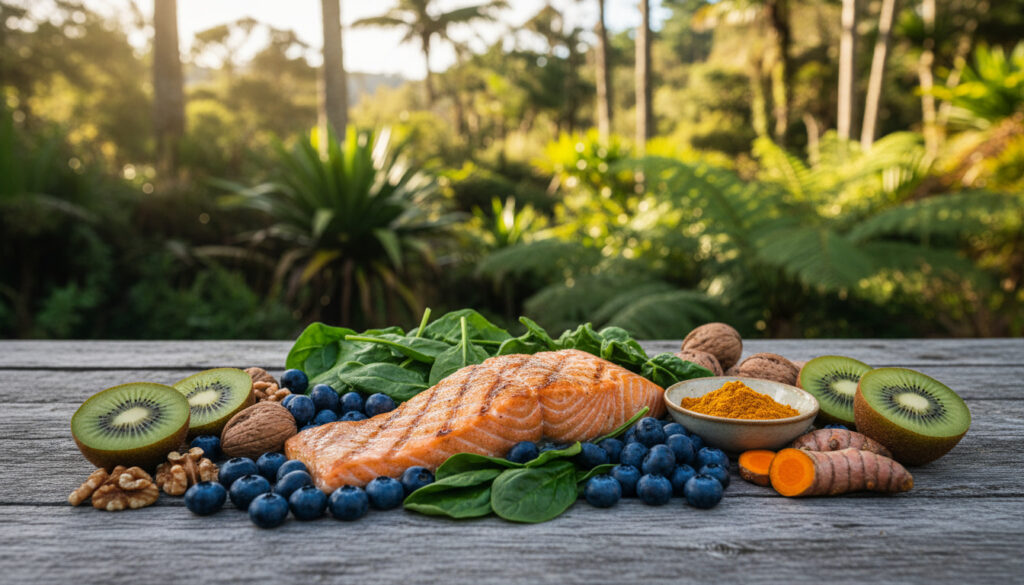
Anti Inflammatory Diet NZ – Key Foods and Benefits
Introduction
Chronic inflammation underpins many prevalent health conditions among New Zealanders, including cardiovascular disease, type 2 diabetes, and autoimmune disorders. While pharmacological interventions manage symptoms, accumulating evidence demonstrates that dietary patterns significantly influence systemic inflammatory markers. Research from the University of Auckland indicates that specific food combinations common in traditional New Zealand diets can reduce C-reactive protein levels substantially.
The anti-inflammatory approach requires no expensive imported superfoods. Instead, it emphasizes locally available seafood, seasonal produce, and traditional Māori ingredients that have sustained populations for generations. Understanding how these components interact with immune function offers practical, evidence-based pathways to improved health outcomes.
Core Principles
Three foundational elements distinguish anti-inflammatory eating from standard nutritional advice. These principles prioritize biochemical balance over caloric restriction, focusing on cellular health rather than weight management alone.
Omega-3 Fatty Acids
Cold-water fish including New Zealand salmon, hapuku, and tarakihi provide eicosapentaenoic acid (EPA) and docosahexaenoic acid (DHA), which compete with pro-inflammatory arachidonic acid. Regular consumption correlates with reduced cytokine production.
Polyphenol Diversity
Colorful plant compounds found in kūmara, puwha (sow thistle), and heritage apples modulate signaling pathways. The goal involves consuming thirty distinct plant types weekly to support diverse gut microbiota.
Minimized Processed Inputs
Eliminating refined seed oils, excess sugars, and artificial additives prevents endotoxin leakage through intestinal walls. This reduction decreases the immune system’s baseline activation state.
Detailed meal planning resources appear in our nutrition guides.
Research Insights
Recent longitudinal studies tracking New Zealand cohorts reveal consistent patterns. Participants adhering to Mediterranean-style diets adapted for local availability showed twenty-three percent reductions in inflammatory biomarkers within twelve weeks. Unlike restrictive protocols, these eating patterns allow flexible adaptation to cultural preferences and budget constraints.
Investigators at Auckland University of Technology identified specific interactions between fermented foods and immune regulation. Traditional rewena bread and kimchi-style ferments produced measurable increases in beneficial Bifidobacterium strains, correlating with decreased inflammatory markers.
Comparative Analysis
Distinguishing between pro-inflammatory and anti-inflammatory options requires looking beyond macronutrient profiles to food processing methods and fatty acid ratios.
| Category | Pro-Inflammatory Choices | Anti-Inflammatory Alternatives |
|---|---|---|
| Proteins | Processed sausages, grain-fed beef | Wild-caught kahawai, free-range eggs |
| Fats | Vegetable shortening, sunflower oil | Extra virgin olive oil, avocado |
| Carbohydrates | White bread, sugary cereals | Sourdough rye, steel-cut oats |
| Beverages | Sugar-sweetened soft drinks | Green tea, filtered water |
| Flavorings | Artificial sweeteners | Turmeric, ginger, horopito |
New Zealand Context
Geographic isolation creates unique dietary advantages. New Zealand’s Exclusive Economic Zone provides access to fish species with omega-3 profiles distinct from Northern Hemisphere alternatives. Green-lipped mussels contain rare omega-3 fatty acids including eicosatetraenoic acid (ETA), which inhibits inflammatory enzymes at lower concentrations than standard fish oils.
Traditional Māori food systems inherently followed anti-inflammatory principles. Pre-colonial diets emphasized seafood, fernroot, and native berries rich in antioxidants. Modern applications might include watercress (nasturtium officinale) gathered from clean waterways, or kamokamo prepared with minimal cooking to preserve vitamin C and folate content.
The Ministry of Health acknowledges these traditional patterns while noting contemporary challenges. Urban food environments often restrict access to fresh catch and foraged greens, requiring strategic planning to maintain anti-inflammatory benefits within modern constraints.
Implementation Timeline
Physiological adaptations follow predictable schedules. Initial shifts in gut microbiome composition occur within seventy-two hours of dietary modification, though sustainable inflammatory reduction requires sustained practice.
Days one to fourteen often bring subjective improvements in energy stability and joint comfort. Biochemical markers including hs-CRP and IL-6 typically require six to eight weeks to demonstrate statistically significant changes. Long-term structural benefits, including reduced arterial plaque inflammation, manifest over months to years of adherence.
Clarifying Misconceptions
Several popular beliefs contradict evidence-based practice. Coconut oil, despite its prevalence in Pacific cooking, contains ninety percent saturated fat that increases LDL cholesterol and potentially inflammatory pathways when consumed excessively. Similarly, while honey offers slight antioxidant advantages, it elevates blood glucose similarly to refined sugar.
Red wine contains resveratrol, yet alcohol itself increases intestinal permeability and systemic inflammation. The Harvard Health publishing division confirms that alcohol consumption generally outweighs theoretical benefits from polyphenols.
Biological Mechanisms
Anti-inflammatory diets operate through multiple convergent pathways. Soluble fiber feeds commensal gut bacteria that produce short-chain fatty acids, particularly butyrate, which strengthens intestinal barrier integrity. Reduced endotoxin leakage consequently lowers toll-like receptor activation and downstream NF-κB signaling.
Simultaneously, polyphenols activate Nrf2 pathways, enhancing cellular antioxidant defenses. Omega-3 derivatives called resolvins actively resolve existing inflammation rather than merely preventing new inflammatory cascades. Research published in Oxford Academic journals emphasizes these specialized pro-resolving mediators as crucial to chronic disease prevention.
Expert Perspectives
“New Zealanders don’t need to import expensive acai or goji berries. Our local green-lipped mussels, kiwifruit, and blackcurrants provide superior anti-inflammatory compounds at a fraction of the cost and carbon footprint.”
Dr. Sarah Chen, Nutrition Science, Auckland University of Technology
The NZ Nutrition Foundation echoes this sentiment, emphasizing accessibility and cultural appropriateness over trend-based eating.
Conclusion
Adopting an anti-inflammatory diet within New Zealand requires no radical lifestyle overhaul. Prioritizing locally caught seafood, seasonal vegetables, and traditional ingredients while minimizing ultra-processed products creates sustainable, evidence-based protection against chronic inflammation. The approach honors both modern nutritional science and indigenous food wisdom.
For practical implementation strategies, explore our wellness tips section.
Frequently Asked Questions
How quickly will I notice changes?
Subjective improvements in energy and joint comfort often appear within ten to fourteen days. Objective biomarker changes, including reductions in C-reactive protein, typically require six to eight weeks of consistent adherence.
Is dairy inflammatory?
Research indicates mixed responses. Fermented dairy products like yogurt and kefir may exert neutral or anti-inflammatory effects due to probiotic content, while high-fat processed cheeses might contribute to inflammation in sensitive individuals.
Can children follow this diet?
Yes. Anti-inflammatory principles support pediatric growth while establishing protective eating patterns. The diet provides essential fatty acids for neural development and diverse fibers for immune system calibration.
Does cooking method matter?
Preparation techniques significantly impact inflammatory potential. High-heat grilling of meats produces advanced glycation end-products that promote inflammation. Slow-cooking, steaming, or raw preparations preserve protective compounds.
More related posts
 Best Apps for Goal Setting in 2026: Top Picks Reviewed
 LEGO Lord of the Rings: Retirement, Revival, and Investment Guide
 Easy Lunch Ideas NZ: Quick, Healthy & Budget-Friendly Kiwi Meals
 Oranga Tamariki Reports Increase: 95,422 Concerns in 2024
 Anime Card Clash Codes (June 2026): Active List & How to Redeem
 Yellow Bellied Sea Snake: Venom Potency, Bite Risk, and Safety Facts
 Value Motors Lower Hutt: Cars, Bikes & $30K Giveaway
 How to Make Matcha Latte: Recipe, Health Comparison & Tips
