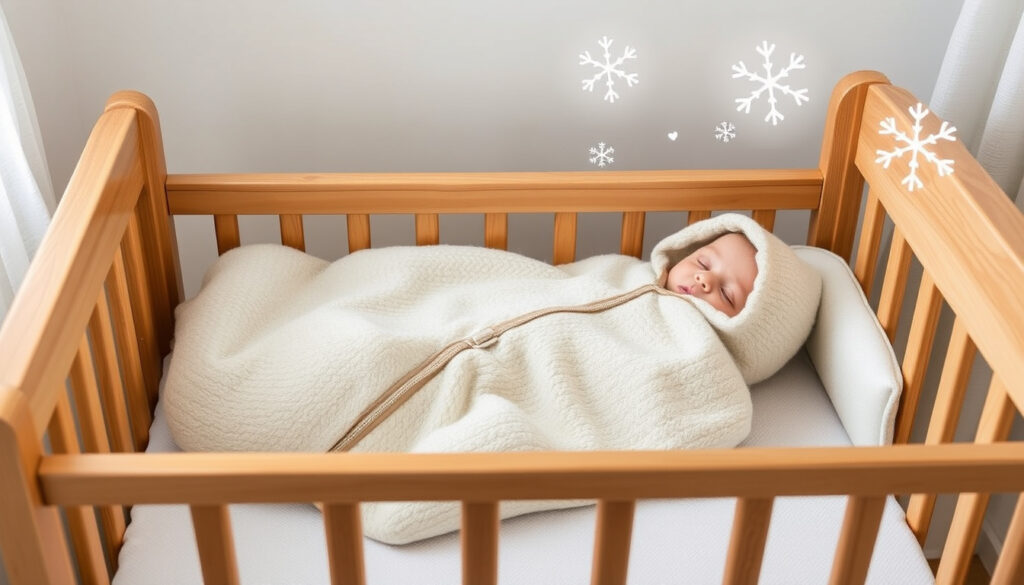
Merino Kids Sleep Sack – Guide to Safe All-Season Comfort
Merino kids sleep sacks have emerged as a popular choice for parents seeking comfortable, temperature-regulating sleepwear for their children. These wearable blankets combine superfine merino wool with thoughtful design to create sleep solutions that work across all seasons. Parents increasingly recognize the benefits of merino wool over traditional cotton, particularly for its natural ability to maintain consistent body temperature throughout the night. The market has grown significantly, with brands like Woolino, Merino Kids, Baby in Merino, and Koko Noko leading the way in quality merino sleep wear.
The term “merino kids sleep sack” refers to a specialized type of wearable blanket designed for babies and toddlers that uses merino wool as its primary insulating material. Unlike conventional blankets that can shift during sleep, these sleep sacks stay securely in place while allowing freedom of movement for the legs and hips. The construction typically features an organic cotton outer layer paired with a merino wool interior, combining the best properties of both materials. This design addresses parents’ dual concerns about keeping their children comfortable while eliminating the risks associated with loose bedding in the crib.
Understanding how merino wool sleep sacks function and what distinguishes quality options from lesser alternatives can help parents make informed purchasing decisions. The following guide examines the key features, benefits, safety considerations, and practical aspects of choosing the right merino sleep sack for your child.
What Is a Merino Kids Sleep Sack?
A merino kids sleep sack is a wearable blanket made from merino wool, designed to keep babies and toddlers warm without the need for loose blankets in the crib. These products have gained popularity as safer alternatives to traditional blankets, which can pose suffocation risks for infants. The sleep sack wraps around the child’s torso while leaving the arms free, allowing for comfortable movement during sleep while preventing the blanket from covering the face.
Merino wool sleep sacks combine temperature regulation with safety features, offering year-round usability from newborn through toddlerhood.
Overview Grid
- Material: Superfine merino wool with optional organic cotton outer layers
- Age Range: Designed for infants and toddlers, typically from 2 months to 3+ years
- Temperature Range: Effective from approximately 63°F to 77°F (17°C to 25°C)
- Top Brands: Woolino, Merino Kids, Baby in Merino, Koko Noko
Key Insights
- Merino wool wicks moisture 30% faster than cotton, keeping children dry throughout the night
- Natural temperature regulation maintains comfort across varying room conditions
- Self-cleaning properties reduce laundry frequency compared to cotton alternatives
- Woolmark certification ensures quality Australian merino sourcing
- Machine-washable designs simplify maintenance for busy parents
- Adjustable features allow extended use as children grow
- Allergy-safe construction avoids chemicals commonly found in synthetic fabrics
Product Specifications
| Specification | Details |
|---|---|
| Primary Material | Superfine merino wool (17-19 microns) |
| Secondary Material | Organic cotton (most brands) |
| Age Range | Newborn to 3+ years (varies by brand) |
| TOG Rating | 1.0 to 2.5 (4-season versatility) |
| Temperature Range | 63°F to 77°F (17°C to 25°C) |
| Care Instructions | Machine wash cold, tumble dry low |
| Price Range | $60 to $150 USD |
| Certification | Woolmark-certified (Australian merino) |
What Are the Key Benefits of Merino Wool Sleep Sacks?
Merino wool sleep sacks offer several advantages over cotton or synthetic alternatives that make them worth the higher initial investment for many families. The unique properties of merino wool fibers create a microclimate around the child that adapts to changing conditions throughout the night. Parents who have switched to merino often report fewer sleep disruptions and more restful nights for their children.
Temperature Regulation
The most significant advantage of merino wool lies in its natural temperature-regulating capabilities. When the room cools down, the wool fibers trap air to provide insulation and warmth. Conversely, when temperatures rise, the material releases excess heat and moisture to prevent overheating. This adaptive quality proves particularly valuable during seasonal transitions or in homes where thermostat settings vary between day and night. According to textile research, merino outperforms cotton in maintaining consistent thermal conditions for sleeping children.
Moisture Management
Merino wool can absorb up to 30% of its weight in moisture without feeling damp, pulling sweat away from the skin through a process called wicking. This ability prevents the clammy feeling that cotton produces when it absorbs perspiration. The wool’s structure also inhibits bacterial growth, which means odors develop less readily than with synthetic or cotton materials. For parents, this translates to less frequent washing and a product that stays fresher between cleanings. User reviews consistently mention that airing out merino sleep sacks between uses is sufficient to maintain freshness.
Lab studies confirm that merino wool outperforms cotton in breathability tests, particularly for active sleepers who tend to move throughout the night.
Skin Comfort and Safety
The ultrafine fibers of merino wool measure between 17 and 19 microns, making them significantly softer than traditional wool that can feel scratchy against sensitive skin. This fine texture means merino feels gentle against a baby’s delicate skin without causing irritation or itching. The natural properties of merino also make it suitable for children with allergies or eczema, as the material contains no added chemicals and resists dust mites naturally. Customer reviews frequently highlight the softness of merino products as a key benefit for children with sensitive skin.
Durability and Longevity
Quality merino wool sleep sacks are designed to last significantly longer than cotton alternatives, often remaining functional through multiple children or from birth through the toddler years. The elastic properties of wool fibers allow the material to return to its original shape after stretching, maintaining a proper fit over time. Most brands recommend machine washing on gentle cycles and tumble drying on low heat, making maintenance straightforward. Manufacturers note that their products maintain quality even after repeated washing cycles.
Environmental Considerations
Merino wool comes from Australian merino sheep raised according to strict welfare standards, and Woolmark certification ensures the fiber meets quality and sustainability criteria. As a natural, biodegradable material, wool decomposes more readily than synthetic fabrics that persist in landfills for decades. The longevity of merino products also contributes to environmental benefits by reducing the frequency of replacement purchases. Sources indicate that brands increasingly emphasize eco-friendly sourcing as a selling point for merino products.
How to Choose the Right Size and Style?
Selecting the appropriate merino sleep sack involves considering the child’s current measurements, growth rate, and sleep environment. While most brands offer size ranges that accommodate multiple stages of development, understanding how these options work helps parents choose wisely. The right fit ensures comfort and safety while maximizing the product’s usable lifespan.
Measuring Your Child
Accurate measurements form the foundation of selecting the correct sleep sack size. Parents should measure the child’s chest circumference and overall height rather than relying solely on age-based recommendations. Most manufacturers provide detailed sizing charts that correlate measurements with their specific product dimensions. Review sources recommend measuring the child while dressed in light clothing to ensure the sleep sack will fit appropriately over typical sleep attire.
Size Ranges by Age
| Age Range | Weight Range | Recommended Size | Example Brands |
|---|---|---|---|
| 2 to 6 months | 8 to 16 lbs (3.5-7 kg) | Small | Woolino 4 Season, Merino Kids Newborn |
| 6 to 18 months | 16 to 25 lbs (7-11 kg) | Medium | Merino Kids, Baby in Merino |
| 18 to 24+ months | 25+ lbs (11+ kg) | Large/Toddler | Baby in Merino, Koko Noko |
Size recommendations vary between manufacturers. Measuring your child and checking brand-specific charts provides the most accurate sizing guidance.
Style Options
Standard sleep sacks feature enclosed leg sections suitable for younger babies who have not yet learned to pull themselves to standing. Toddler-specific designs often include open leg openings or snaps at the hem to accommodate mobility while maintaining core warmth. Brands like Baby in Merino offer styles with detachable leg sections that extend the product’s usefulness as children grow.
Adjustable Features
Many merino sleep sacks include adjustable straps or snaps that allow parents to modify the fit as the child grows. This adjustability can extend the product’s usable life by several months, improving overall value. Woolino, for example, designs their products with adjustable shoulder straps that accommodate growth spurts without requiring immediate size upgrades.
TOG Ratings Explained
TOG (Thermal Overall Grade) ratings indicate a fabric’s thermal insulation capability, helping parents select appropriate sleepwear for their home environment. Merino’s versatile 4-season designs typically offer ratings between 1.0 and 2.5 TOG, providing options for various room temperatures. Product roundups explain that the 1.0 TOG range suits warmer conditions or summer use, while higher ratings provide necessary warmth for cooler climates or winter months.
Are Merino Sleep Sacks Safe for Babies and Toddlers?
Safety remains the primary concern for parents evaluating any sleep product for their children, and merino sleep sacks address several key safety considerations that make them a responsible choice. Understanding how these products align with established safety guidelines helps parents make confident decisions about incorporating them into their child’s sleep routine.
Alignment with AAP Guidelines
The American Academy of Pediatrics recommends avoiding loose blankets in infant sleep environments to reduce the risk of suffocation and Sudden Infant Death Syndrome (SIDS). Sleep sacks eliminate this risk by keeping fabric securely wrapped around the child’s body while allowing freedom of movement for the arms. Safety analyses confirm that merino sleep sacks comply with AAP recommendations when used according to manufacturer guidelines.
Overheating Prevention
Unlike synthetic materials that can trap heat and moisture against the skin, merino wool naturally regulates temperature to prevent overheating. Parents report fewer instances of night sweats and discomfort compared to cotton or synthetic sleepwear. User feedback indicates no overheating issues with merino sleep sacks, even when compared against heavier cotton or synthetic alternatives.
Hip Development
Quality merino sleep sacks are designed with hip-healthy considerations, allowing sufficient room for leg movement that supports normal hip development. The bell-shaped construction found in many brands provides adequate space for the legs to move naturally while maintaining a secure fit around the torso.
Look for zippered bottoms for easy diaper changes, adjustable straps for proper fit, contoured designs that stay away from the face, and single-shoulder straps to prevent toddlers from removing the sleep sack. For more information on ensuring your child’s comfort and safety, consult this guide to safe all-season comfort for Merino Kids sleep sacks What to say when someone dies.
Material Safety
Merino wool undergoes minimal processing compared to synthetic materials, reducing the likelihood of skin irritation from chemical residues. GOTS (Global Organic Textile Standard) certified organic cotton options provide additional assurance for parents concerned about textile chemicals.
The Evolution of Merino Sleep Sacks
Understanding the development of merino sleep sacks provides context for their current design and performance characteristics. The product category has evolved significantly since its introduction, incorporating feedback from parents and advances in textile technology.
- 1990s: Introduction of wearable blankets as safer alternatives to loose bedding in infant sleep environments
- Early 2000s: Merino wool first incorporated into sleep sack designs for its temperature-regulating properties
- Mid-2010s: Major brands like Merino Kids and Woolino establish market presence with premium merino options
- 2020s: Expansion of size ranges, organic certifications, and travel-friendly designs
- 2025: Continued refinement of 4-season designs with improved durability and sustainability credentials
What We Know Versus What Remains Unclear
| Established Information | Information Requiring Further Verification |
|---|---|
| Merino regulates temperature across 63-77°F range | Precise TOG ratings vary by manufacturer |
| Wicks moisture 30% faster than cotton | Long-term durability varies by specific brand |
| Allergy-safe for sensitive skin | Optimal size transition timing for growing children |
| Complies with AAP safe sleep guidelines | Specific temperature thresholds for individual children |
| Woolmark certification ensures quality sourcing | Comparative performance data across brands |
Comparing Merino to Alternative Materials
When evaluating sleep wear options, parents benefit from understanding how merino wool compares to other commonly available materials. Each material presents distinct characteristics that affect comfort, maintenance, and long-term value.
Cotton remains a popular alternative due to its availability and lower price point, but it lacks merino’s natural temperature-regulating properties. Cotton absorbs moisture and holds it against the skin, potentially leading to chill and discomfort during temperature fluctuations. Comparative assessments note that cotton requires more frequent washing due to its tendency to retain odors.
Synthetic materials offer affordability and easy care but present concerns about breathability and potential skin irritation. Many parents report that synthetic sleepwear causes overheating and increased night sweating compared to natural fiber alternatives.
Customer Experiences and Practical Insights
Parents who have incorporated merino sleep sacks into their children’s sleep routines frequently share experiences that highlight both benefits and considerations for prospective buyers. These real-world perspectives complement technical specifications with practical observations.
“Perfect for all seasons; my baby sleeps through the night” — Reviewer on The Mom Edit
“Best for all seasons, no overheating” — Merino Kids customer review
Parents consistently praise the temperature regulation that eliminates the need to add or remove layers during the night. Reviews highlight the peace of mind that comes from knowing their child remains comfortable regardless of room temperature fluctuations. Toddler-specific feedback mentions that designs with open legs allow comfortable movement while preventing the sleep sack from being kicked off during the night.
The initial investment represents a common consideration, with many parents acknowledging the higher upfront cost but justifying it through extended product lifespan and reduced need for replacements. Long-term value analysis supports this perspective, particularly for families planning to use the sleep sack with multiple children.
Summary and Final Recommendations
Merino kids sleep sacks represent a well-established category of sleep wear that successfully combines safety, comfort, and practical benefits for families. The natural temperature-regulating properties of merino wool provide meaningful advantages over cotton and synthetic alternatives, particularly for children who experience temperature fluctuations during sleep. Quality brands back their products with designs that accommodate growth, simplify maintenance, and maintain performance over extended use.
Parents prioritizing consistent sleep temperatures, skin sensitivity, and long-term value will find merino sleep sacks worth the investment. Those seeking additional ways to improve their family’s sleep environment might also consider exploring sleep optimization strategies that complement quality sleep wear choices.
Frequently Asked Questions
At what age can babies start using sleep sacks?
Most manufacturers recommend introducing sleep sacks around 2 months of age when babies can better regulate their temperature and have more predictable sleep patterns.
How do I know if the sleep sack fits properly?
A properly fitting sleep sack should allow 2-3 fingers of space between the material and your baby’s chest. The neck opening should not be loose enough to slip over the baby’s head, and the arm holes should be snug without restricting circulation.
Can merino sleep sacks be used year-round?
Yes, 4-season merino designs offer versatility across temperature ranges. The natural temperature-regulating properties of merino wool adapt to both cooler and warmer conditions without requiring seasonal replacements.
What is the typical lifespan of a merino sleep sack?
Quality merino sleep sacks typically last through multiple children or from birth through toddlerhood, depending on the size range purchased and how well the product is maintained according to care instructions.
How often should merino sleep sacks be washed?
Due to merino’s natural self-cleaning and odor-resistant properties, washing after every 10-20 uses is typically sufficient. Airing the sleep sack between uses helps maintain freshness and extends the time between machine washes.
Are merino sleep sacks fire-safe?
Wool naturally resists flames, but sleep sacks should still be used according to manufacturer guidelines and standard fire safety practices for children’s sleep products.
Can hand-me-down merino sleep sacks be used for another child?
Hand-me-downs work well if the sleep sack shows no signs of significant wear, has been properly cleaned, and fits the new user appropriately. Check for stretched straps, thinning fabric, or damaged zippers before reuse.
What are good alternatives to merino sleep sacks?
Organic cotton sleep sacks offer a more affordable option with reasonable breathability. Bamboo-based sleep wear provides another natural alternative with moisture-wicking properties, though temperature regulation typically falls short of merino’s performance.
Which brands offer grow-with-me features?
Woolino designs include adjustable straps that accommodate growth from 2 months to 2 years. Merino Kids incorporates snap buttons that allow customization of the fit as children develop.
More related posts
 How Many Seconds in a Day? 86,400 and Other Time Conversions
 Best Beard Trimmer NZ 2026: Tested & Compared
 One World Trade Center: History, Facts, and Visitor Guide
 What’s On in Auckland: Events, Attractions & Tips
 Kevin Belling Search Update: Missing Farmer Still Not Found
 Supercheap Auto Palmerston North – Hours, Address, Phone & Services
 Unlimited Data Mobile Plan NZ: Compare Spark, One NZ, 2degrees
 The History of Sound 2025: True Story, Reviews, Watch Guide
